Commercial Pilot Gift Guide — Custom Aircraft Keychains and More
A commercial pilot’s life is built around departure times, rotations and a schedule that is published months in advance. It is also, in a way that surprises people who have not flown for a living, a life with very few objects that belong to it. The uniform exists only in the air. On the ground, a captain is a person with a bag, a passport, a gym bag and a set of keys, and the keys are the one item that goes from the house to the car to the hotel in another country three times a week.
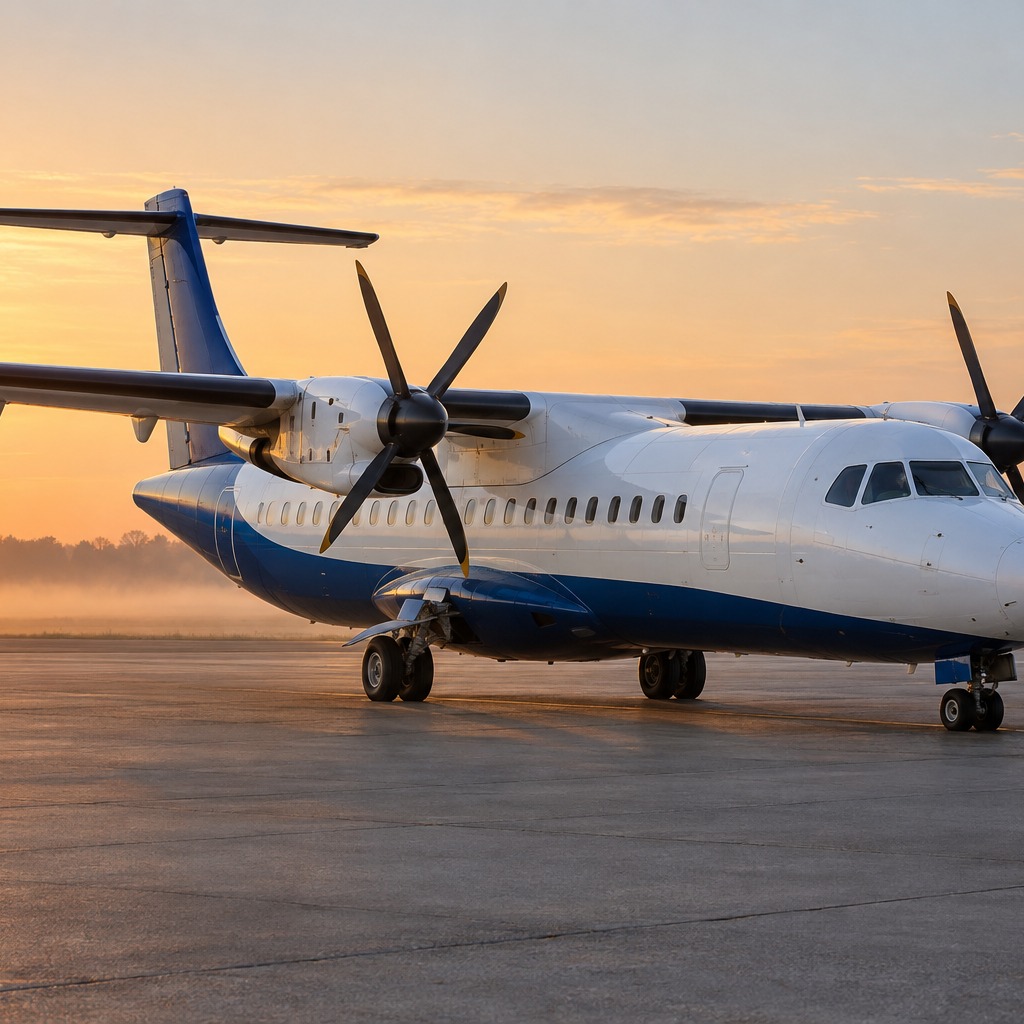
That is why aircraft keychains work so well as gifts for commercial pilots, and why they work slightly differently from the gifts that land well for private pilots. A private pilot flies the aeroplane they love, usually a single machine, and the keychain can be cut from that specific aeroplane. A commercial pilot flies a type of aircraft, on a roster, to a rotating list of airports — so the gift has to represent the flying rather than one aeroplane. A die-cut acrylic keychain made from a photograph of the airframe, the type or even the airport strip they based at does exactly that.
Everything we make starts at $15 USD, which makes this one of the easiest gifts in the enthusiast market to send to somebody who is regularly away. This guide covers what actually works for commercial pilots, what does not, and how to order something they will keep rather than bin. If you want the shorter version, our custom aircraft keychain gift guide covers the basic process, and this page builds on it for airline pilots specifically.
What makes a commercial pilot different as a gift recipient
Before picking a gift, it helps to understand who you are buying for. Commercial aviation splits into a few very different groups, and they react to gifts quite differently.
The line pilot
First officers, captains and senior cabin crew spend most of their working life away from home. They are the hardest group to buy for in one respect and the easiest in another: they rarely need anything for the house, because they are not in it, but they carry the same small set of personal items through every trip. A keychain lives in that set. It goes in a jacket pocket, in a flight bag side pocket, or on a bag that sits under a seat. It is handled a hundred times a week, which is exactly the frequency you want from a gift.
The instructor and the type rating holder
Some pilots spend their entire career on one type. That could be an Airbus A320 family, a Boeing 737, an Embraer regional jet or a long-haul widebody. For these pilots, the aircraft itself is the identity, and the gift that lands hardest is one cut from a photograph of the exact type they fly. It is specific in a way that a generic badge never is, and it costs the same.
Ground staff, engineers and instructors
Not everyone on a commercial operation flies the aircraft. Line maintenance technicians, crew planning, dispatch, flight safety and training departments all build careers around aviation without ever taking a flight. A keychain works for them too, because it recognises the world they work in without asking them to own an aeroplane. This is the group most likely to be overlooked when people only think of pilots.
Family and partners
The hardest-working supporters of a commercial pilot are the people at home. They do the packing, they handle the missed birthdays, they get the phone call at 3am when the schedule changes. For them, a gift that says “I know what your job actually involves” is worth considerably more than a generic aviation present. Our article on car gifts by relationship covers the general principle of buying for somebody whose life you see from the outside, and it applies here.
The keychain gifts that actually work
Aircraft keychains divide into a few practical categories. Some commemorate a machine, some commemorate a place, and some are pure personalisation. The best gifts tend to combine one of the first two with a real photograph.
The aircraft type keychain
This is the strongest all-round option, and the reason is the same reason it works for cars: enthusiasts care about the specific variant. A pilot who flies the A320 family does not want a keychain that says “airplane”, and they do not necessarily want a generic airliner badge either. They want a die-cut shape that could only be that family of aircraft, with the right number of engines, the right wing profile and the right tail.
The practical detail is the number of engines and the tail. A widebody twin has a very different silhouette from a four-engine long-haul aircraft, and a regional turboprop is a different shape again. When you order from a photograph rather than a catalogue, that comes for free, because the artwork is your picture and the shape follows it.
The airport and base keychain
For a pilot based at a particular hub, the base is often more personal than the type. A die-cut shape built around a photograph of the airport terminal, the apron or a distinctive piece of local skyline is unusual, cheap by the standards of aviation merchandise, and genuinely hard to find anywhere else. Several of our most popular aviation orders have been for airfield and apron photographs rather than aircraft.
The airline and fleet anniversary keychain
Long-serving pilots have a real sense of the aircraft they flew for decades, and the older liveries carry that history. A keychain cut from a photograph of an aircraft in its original colour scheme is a way of marking a career without a plaque. This also works well as a retirement or farewell gift, where a shared recognition matters more than a personal treat.
The route and destination keychain
For a pilot with a signature long-haul route, a die-cut shape based on the skyline, coastline or landmark of the destination works well. The same product style also suits the hometown keychain — the one that goes on the bag every single trip. Our guide on building a custom gift set covers ordering several of these from the same photograph style so they read as one deliberate gift.
The simple personalised keychain
Sometimes the strongest option is the least specific one: their name, their call sign, their base code or a short word that means something inside the company. Personalised acrylic keychains do not need to be an aircraft to work. They need to be something the recipient recognises instantly and nobody else would own. Our guide to personalised versus custom keychains sets out how the two approaches differ in look and in cost.
How to get a photograph that works
Most disappointing keychains are not disappointing because of the product. They are disappointing because the photograph was wrong. Here is what to look for before you upload anything.
Shoot from a low three-quarter angle
The single best view of an aircraft is from slightly below and to one side, roughly a three-quarter front angle. That angle gives you the length of the fuselage, the shape of the wing, the height of the tail and the number of engines all at once. A straight-on nose shot loses the fuselage length entirely and produces a keychain that reads as a blob. A view from directly above loses the vertical cues and produces a shape nobody can identify.
Use even daylight
Overcast or soft daylight is ideal. Harsh midday sun blows out the upper surfaces and leaves the lower half in shadow, which on a small printed cut-out turns the darker half into an unreadable mass. Backlit shots are the worst case: the aircraft becomes a silhouette with no paint, no windows and no detail. If you are photographing an aircraft on an apron, the hour either side of golden light is safer than midday, and the hour after sunrise is safest of all.
Fill the frame but keep the whole aircraft
Get close enough that the aircraft fills most of the frame, but do not crop the tips of the wings, the nose or the tail. A cut-out loses its identifying features at the edges, and the more of the airframe you keep, the more recognisable the keychain is at keychain size. If the aircraft is too big to fit, step back rather than crop in.
Watch for background clutter and markings
Anything behind the aircraft gets removed with the background, so a busy background is usually harmless. The things that are not harmless are on the aircraft itself: registration letters, airline names, tail numbers and gate signage. If the aircraft carries large readable lettering, either accept that it will appear on the keychain or crop it out of frame. Our article on how to upload your photo covers the file side of this in more detail.
Other gifts for commercial pilots that work
The keychain is the anchor gift, but it works better alongside something else, particularly when the recipient is away from home for a week at a time.
Personalised travel and everyday items
A cabin bag tag, a luggage tag and a set of other custom items made from the same photograph style turn one present into a set. The same photograph can produce a custom T-shirt for the off-duty version and a mug for the home one. Nobody is ever short of a mug, and a mug in the pilot’s own kitchen is a daily reminder rather than a display piece.
Things that carry the flying with them
Pilots carry far more hardware than most gifts account for. A lanyard, a card holder and a small keyring that all use the same die-cut shape give the gift somewhere to live every single trip, and they are the items most likely to be seen by other people at the gate, which is what turns a personal gift into a conversation.
Recognition rather than equipment
Avoid buying a pilot anything that implies a rating, a qualification or a standard of training. Logbooks, checklists and reference material are personal, regulated and specific to the operator. A photograph-based gift carries no compatibility question, which is exactly why it works so broadly across an airline or an operation.
The pairing gift
If the pilot has a partner who does not fly, one photograph can produce two products: the aircraft for them and a matching shape for the person at home. Our gift guide for car lovers covers the same pairing logic for a different enthusiast category, and the principle holds.
What commercial aviation gifts usually go wrong
Most aviation gift lists fail in predictable ways. These are the mistakes worth avoiding.
Anything generic with an aeroplane on it. The stock silhouette on a mug, a pen or a mouse mat is not a gift, it is packaging. Pilots and their families already own several of them.
Anything that needs the recipient to do the work. Gifts that ask them to upload a photograph, choose a font and confirm an order turn into a chore for someone who is rarely at a desk. The whole point of a photograph-based keychain is that you do the work and they simply receive it.
Anything sized around a model aircraft. A 1:50 or 1:100 replica ends up on a shelf, and pilots with real homes and real jobs do not need another shelf item. Something attached to their everyday keys gets handled constantly.
Anything that assumes a hobby rather than a career. Commercial pilots fly for a living. Gifts pitched at “someone who is merely keen” can land as if you have misunderstood their job. That is worth avoiding even accidentally.
Anything technical you have not checked. Aviation-themed electronics and accessories have to be compatible with what they already own and with what their operator permits. Getting that wrong is worse than giving nothing at all. A photograph-based gift has no compatibility question attached to it.
Anything scaled for a different vehicle. A car-shaped keychain for an aircraft enthusiast is a good gift for somebody who does not fly. Our article on custom keychains for every car brand explains why enthusiasts care about the specific variant rather than the generic category, and the same instinct runs straight through aviation.
Frequently asked questions about commercial pilot gifts
What is the best keychain for a commercial pilot?
A die-cut acrylic keychain made from a photograph of the aircraft type they fly, because it is specific to their operation rather than to aviation in general, and because it lives on the one item they carry between home, the car and the hotel. At $15 USD it is also the easiest version of that idea to order, and it suits any aircraft you can get a clear picture of.
Can I order a keychain of any aircraft?
Yes. Because the artwork comes from your photograph rather than a fixed template, it can be a narrowbody, a widebody, a regional turboprop, a cargo aircraft, a helicopter, a business jet or a light trainer. If it can be photographed clearly, it can be cut to shape, including types that were never sold in enough numbers to justify traditional souvenir merchandise.
How do I know which aircraft type they fly?
Ask, or look. Most pilots mention the type within a few minutes of talking about their job, and many wear a company lanyard or a fleece with the fleet name on it. Airline and airport public information also lists fleet types. If you genuinely cannot find out, a base or destination shape is a good alternative that carries the same meaning.
Will the keychain show the detail they care about?
That depends entirely on the photograph. A low three-quarter shot in even daylight keeps the nose, the cockpit windows, the wing shape, the engine count and the paint scheme visible, and those are the details a small silhouette depends on. The two things to avoid are a view from directly above and a strongly backlit shot, because both throw away the vertical cues that identify the aircraft.
Is the keychain a photograph or a shape?
It is a shape. The background is removed and the aircraft is cut to its own outline, so the keychain follows the actual profile of the airframe rather than sitting inside a rectangular frame. The print is double-sided, so it reads correctly whichever way up it is hung.
Is $15 reasonable for a commercial pilot gift?
For a made-to-order, double-sided acrylic keychain that cannot be bought anywhere else, it sits comfortably at the affordable end of aviation gifting. It costs less than most aviation clothing or accessories and considerably less than a good model aircraft, and unlike those it is actually used rather than put on a shelf. It is also small enough to send abroad, which matters for a recipient who is often in another country.
Does the acrylic survive being used outdoors?
Yes. Acrylic is water-resistant and does not fade in sunlight the way printed paper or plastic does, which matters for something that lives on a flight bag or in a car glovebox. It is also light enough that it does not pull at a jacket pocket, which is one of the reasons it works as a keychain rather than as a standalone ornament.
Can I order several different aircraft at once?
Yes, and it is a good option if you are buying for a crew, a flying club or a family with more than one aircraft or base on their rota. Each keychain is made from its own photograph, so multiple orders still produce individual, matching-quality products rather than duplicates. The custom photo keychain page covers the product itself, and our guide to keychain materials explains why the acrylic and the print method matter for something used every day.
Is it suitable for a retirement or farewell gift?
Very much so. Because the artwork is a photograph rather than a catalogue shape, you can mark a specific aircraft, a specific livery or a specific base from the pilot’s career, which is what makes a retirement gift feel personal. Our private pilot gifts guide covers the same approach for the other half of the market, and our aviation enthusiast keychain guide covers the wider range of aircraft that translate well to a die-cut.